I am, and I say this without exaggeration, a pasta ossessionata. I have opinions about drying temperatures. I notice when the rigatoni holds sauce differently. I once drove forty minutes to a specialty shop because they had Mancini on the shelf and my local store only carries — forgive me — Barilla.
So when an Italian friend sent me this classifica, I nearly dropped my phone into the bolognese. An actual Italian — someone who grew up eating pasta the way Bavarians eat bread — ranking sixteen brands from S-Tier (the absolute summit) down to D (functional, nothing more). Every single ranking made sense to me. Some of them hurt.
What separates la pasta artigianale from the supermarket stuff? Three things: trafilatura al bronzo (bronze die extrusion, which gives the surface that rough, sauce-gripping texture), essiccazione lenta (slow drying at low temperatures, sometimes up to 56 hours), and the wheat itself — semola di grano duro from specific regions, sometimes single-origin, sometimes from the producer’s own fields.
Here is la classifica. Judge your pantry accordingly.
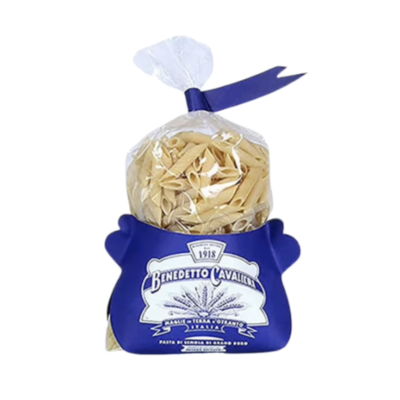 Benedetto Cavalieri
Puglia, 1918
Benedetto Cavalieri
Puglia, 1918
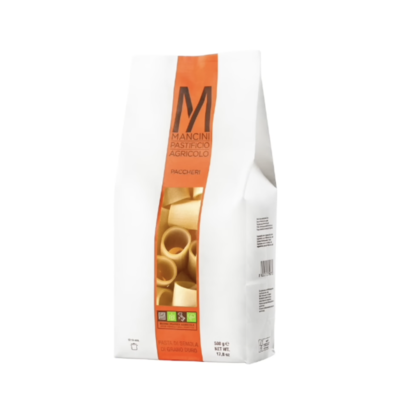 Mancini
Le Marche, 2010
Mancini
Le Marche, 2010
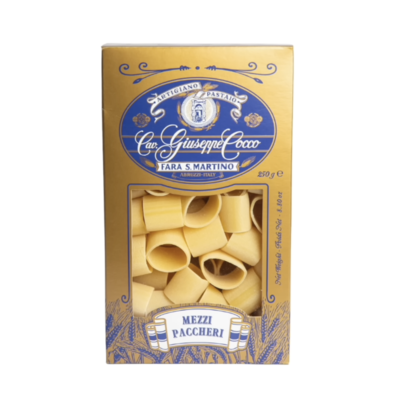 Giuseppe Cocco
Abruzzo, 1916
Giuseppe Cocco
Abruzzo, 1916
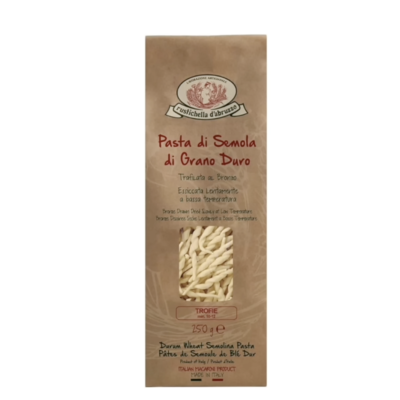 Rustichella d’Abruzzo
Abruzzo, 1924
Rustichella d’Abruzzo
Abruzzo, 1924
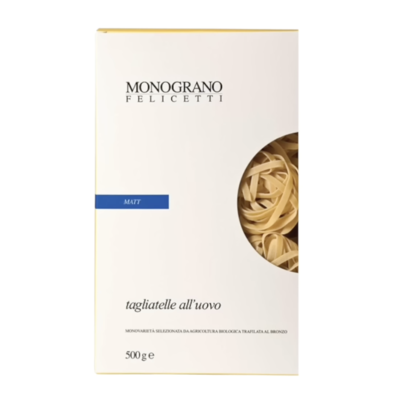 Monograno Felicetti
Trentino, 1908
Monograno Felicetti
Trentino, 1908
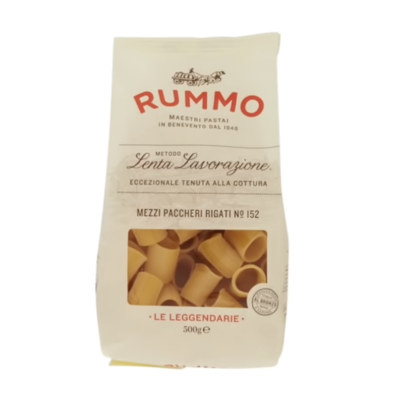 Rummo
Campania, 1846
Rummo
Campania, 1846
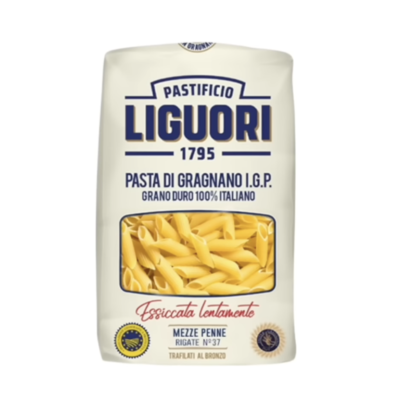 Liguori
Gragnano, 1795
Liguori
Gragnano, 1795
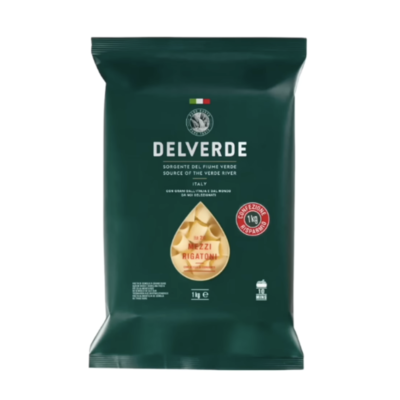 Delverde
Abruzzo, 1967
Delverde
Abruzzo, 1967
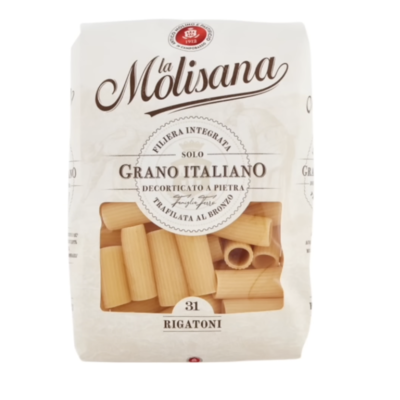 La Molisana
Molise, 1912
La Molisana
Molise, 1912
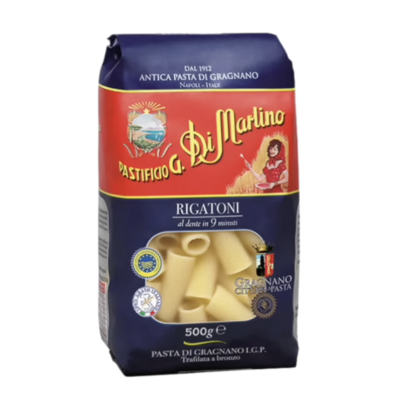 Di Martino
Gragnano, 1912
Di Martino
Gragnano, 1912
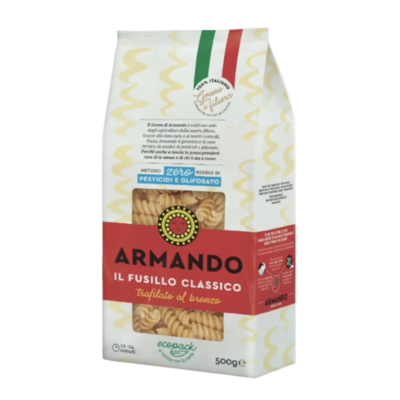 Armando
Campania, 1993
Armando
Campania, 1993
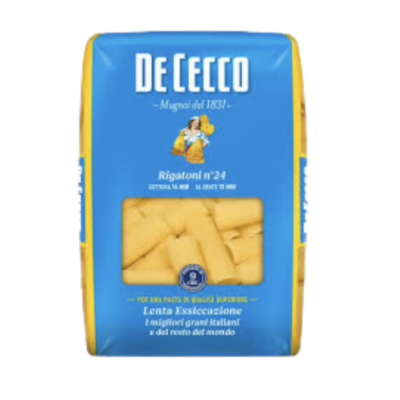 De Cecco
Abruzzo, 1886
De Cecco
Abruzzo, 1886
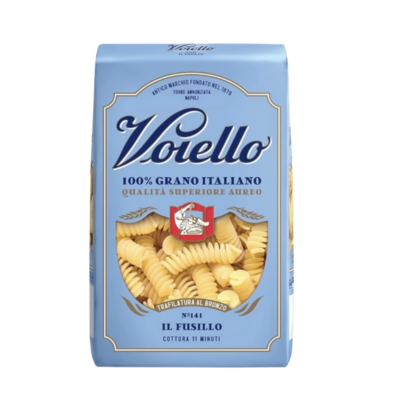 Voiello
Napoli, 1879
Voiello
Napoli, 1879
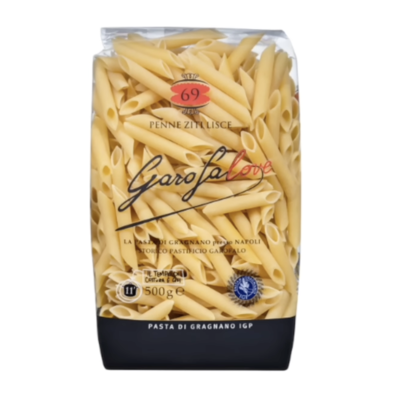 Garofalo
Gragnano, 1789
Garofalo
Gragnano, 1789
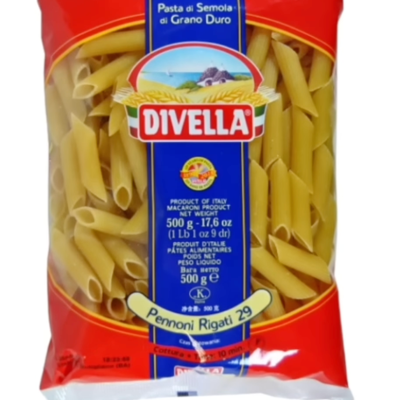 Divella
Puglia, 1890
Divella
Puglia, 1890
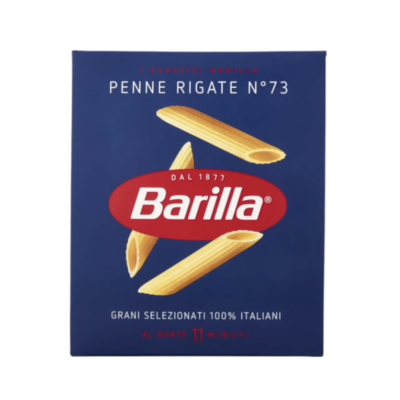 Barilla
Parma, 1877
Barilla
Parma, 1877
Le Storie — The Brands
S-Tier — L’Élite
These are the pastifici artigianali — the artisans. Small production, obsessive wheat sourcing, drying times measured in days, not hours. If you can find them, buy them.
A-Tier — Eccellente
Excellent pasta. Many of these are Pasta di Gragnano IGP — carrying the protected geographic indication from the legendary pasta town near Naples. Bronze die, slow drying, serious producers.
B-Tier — Buona
Solid, reliable, widely available. You won’t be disappointed — but you won’t have a revelation either.
C-Tier — Così Così
Acceptable. Does the job. Has a royal decree, though — which counts for something.
D-Tier — Sufficiente
It’s pasta. It cooks. It exists. When the only option is Barilla or no pasta at all, you eat the Barilla. Ma senza entusiasmo.
Notes
- Trafilatura al bronzo (bronze die): Creates a rough, porous surface that sauces cling to. Industrial Teflon dies make pasta smooth — cheaper, faster, but the sauce slides right off.
- Essiccazione lenta (slow drying): Artisan pasta dries at 40–50°C for 24–56 hours. Industrial pasta blasts at 80–100°C for 2–3 hours. The difference: flavor, texture, and how it absorbs sauce.
- Gragnano IGP: The tiny town near Naples that has been the spiritual home of dried pasta since the 16th century. PGI-certified Pasta di Gragnano must be made there with specific production methods.
- This is one person’s ranking, from a very opinionated Italian. Your nonna may disagree. That’s fine. She’s probably right too.